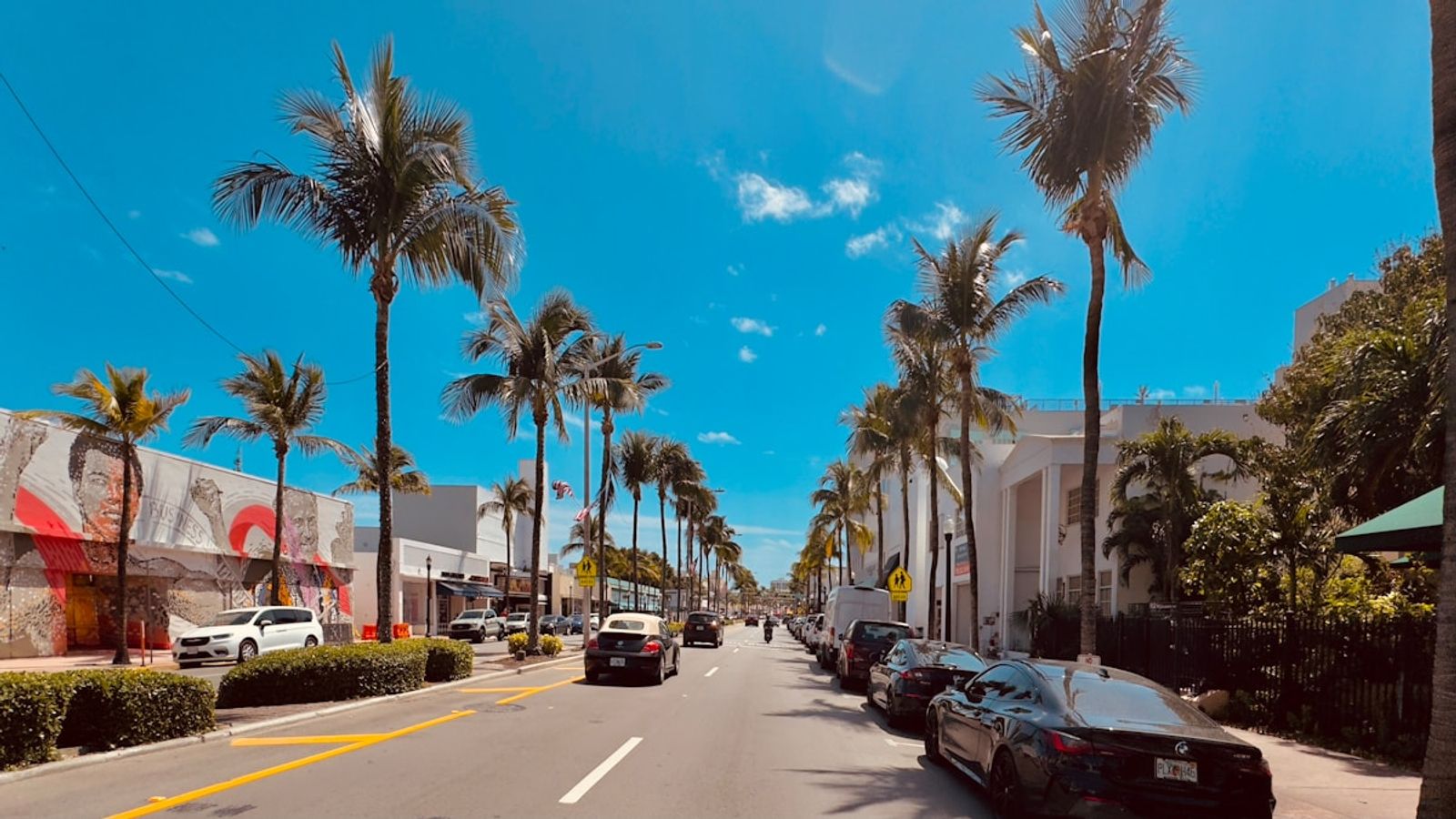
Miami Car Rental Guide
Your guide to renting a car in South Florida -- from the MIA Rental Car Center to the Florida Keys
Quick Facts
- Airport Code
- MIA
- Brands Available
- All 6 major brands
- Avg. Daily Rate
- USD 35-80
- Driving Side
- Right
- Minimum Age
- 21 (most brands)
- IDP Required
- No (valid foreign license accepted)
Available Rental Brands
Enterprise
RecommendedBest customer service with extensive South Florida neighborhood locations
Hertz
RecommendedWide vehicle selection including convertibles popular for Miami driving
Sixt
Premium and luxury vehicles suited to Miami's style-conscious market
Avis
Reliable service with Preferred member express pickup
Budget
Competitive base rates for price-conscious travelers
Europcar
Available through partner operators at MIA
Pricing Overview
- Economy
- USD 30-50 per day
- Midsize
- USD 40-65 per day
- SUV
- USD 55-100 per day
Peak Season: December through April (winter/spring break), major events
Off-Peak: September through November
Book Ahead: 3-4 weeks recommended, 6+ weeks for winter peak
Renting a Car in Miami
Miami is one of the largest car rental markets in the United States, driven by strong tourist demand year-round and particularly during the winter months when visitors from colder climates flock to South Florida's beaches. All six major rental brands operate through the Miami International Airport Rental Car Center (MIA RCC), a dedicated facility connected to the main terminal via the MIA Mover automated people mover. The MIA RCC is one of the most efficient airport rental facilities in the US. The MIA Mover takes approximately 3-5 minutes from the terminal to the rental center, running continuously from 5:00 AM to 11:00 PM. All major brands have counters on the ground level, with vehicle pickup on the floors above. Loyalty program members with express service can bypass the counter and proceed directly to their assigned vehicles. A rental car is highly recommended for Miami and South Florida. While Miami Beach has some walkable areas, the broader Miami metropolitan area is sprawling, and public transit is limited. A car is essential for reaching the Everglades, Key Biscayne, Coral Gables, Fort Lauderdale, and the Florida Keys.
SunPass and Florida Tolls
Florida has an extensive toll road system, and several key routes in the Miami area are tolled. The Florida Turnpike, Dolphin Expressway (SR 836), Gratigny Parkway (SR 924), and portions of I-95 Express Lanes all charge tolls. Many Florida toll plazas have converted to all-electronic tolling, meaning there are no cash lanes. SunPass is the electronic toll transponder used in Florida. Most rental vehicles are equipped with toll transponders, and tolls are charged to your credit card at the end of the rental plus an administrative fee per toll or a daily convenience fee. Some rental companies offer a flat daily toll package (typically USD 5-12 per day regardless of actual toll usage), which can be economical if you use toll roads frequently. Others charge per toll plus an administrative fee. Clarify your rental company's toll policy at pickup. The I-95 Express Lanes are dynamic toll lanes that change price based on congestion. Using these lanes requires either a SunPass transponder or acceptance of toll-by-plate billing at a higher rate.
Driving in Miami and South Florida
Miami traffic is aggressive and fast-paced. Expect assertive lane changes, short following distances, and creative interpretation of traffic signals. Rush hour traffic on I-95, I-195 (to Miami Beach), and US-1 can be severe. The Overseas Highway (US-1) to the Florida Keys is a scenic but narrow two-lane road for much of its length. On weekends and holidays, northbound traffic returning from the Keys can create significant backups. Plan your return timing accordingly. Speed limits are typically 30-45 mph in residential areas, 55 mph on major roads, and 65-70 mph on highways. Red-light cameras are active at many Miami intersections, and right turns on red are permitted after a full stop unless signed otherwise. Parking in Miami Beach is metered and can be expensive during peak hours, with rates of USD 4-6 per hour in popular areas like South Beach. The Miami Beach Park app is the easiest payment method. Shopping areas, restaurants, and hotels throughout the broader Miami area generally offer free or validated parking.
Hurricane Season and Weather
Hurricane season runs from June 1 through November 30, with the highest risk period from August through October. If a hurricane threatens the Miami area, rental car availability can become extremely limited as residents and visitors attempt to evacuate or extend rentals. Rental companies may implement special policies during hurricane events, including restrictions on one-way rentals and mandatory vehicle return requirements. Rain is common in Miami, particularly during summer months when afternoon thunderstorms are almost daily occurrences. These storms can produce intense rainfall and localized flooding. Drive with headlights on in rain, reduce speed, and be cautious of standing water on roadways. Rental insurance coverage typically does NOT cover hurricane or flood damage if you drive into conditions you were warned about. If authorities issue evacuation orders or flood warnings, follow instructions and contact your rental company for guidance.
Insurance and Coverage in Florida
As with all US rentals, CDW and theft protection are not included in the base rental rate. CDW from the rental company costs approximately USD 15-25 per day. Florida requires minimum liability insurance coverage, and Personal Injury Protection (PIP) is mandatory in Florida. Check whether your personal auto insurance, credit card coverage, or travel insurance provides adequate protection for Florida rentals. SLI (Supplemental Liability Insurance) from the rental company costs approximately USD 12-18 per day. Florida is a no-fault insurance state, meaning your own insurance covers your medical costs regardless of who caused an accident, up to your policy limits. Florida's no-fault system and high litigation rates make liability coverage particularly important in this market.
Practical Tips for Miami Rentals
Convertibles are a popular rental choice for Miami and are widely available from most brands. Book specifically if you want one, as availability is limited. SUVs are practical for families and for navigating the broader South Florida area with luggage. Join a loyalty program before arriving to access express service at MIA RCC. The time saved during peak season is substantial. Refuel before returning to MIA -- fuel stations near the airport charge premium prices. Stations along LeJeune Road or NW 36th Street offer better rates. Sunscreen and sunglasses are essential driving accessories in Miami. Intense Florida sun creates severe glare, particularly during morning and late afternoon drives on east-west routes. If planning a Florida Keys road trip, fill up your fuel tank before crossing the Overseas Highway, as fuel stations are sparse and prices increase the further south you go.
Check Rental Rates
Hertz at Miami
Wide selection including convertibles with Gold Plus express at MIA RCC.
Check Hertz Miami RatesYour Complete Guide to Renting a Car in Miami
Miami's sun, beaches, and sprawling layout make a rental car essential for visitors. From the efficient MIA Rental Car Center to Florida's electronic toll system and hurricane season considerations, this guide covers everything you need for a smooth South Florida rental experience.
PriceCompareCar earns commission from qualifying bookings made through our links. This does not affect our editorial assessments or recommendations.