Reykjavik Car Rental Guide
Essential rental car knowledge for Iceland's unique driving conditions -- from F-roads to volcanic sand protection
Quick Facts
- Airport Code
- KEF (Keflavik)
- Brands Available
- 4 major brands + local operators
- Avg. Daily Rate
- EUR 50-130
- Driving Side
- Right
- Minimum Age
- 20 (most operators)
- IDP Required
- No (for EU/US/UK licenses)
Available Rental Brands
Hertz
RecommendedLargest international brand presence in Iceland with good 4x4 selection
Sixt
Premium vehicles available, though local operators often offer better Iceland-specific options
Avis
Established Icelandic presence with good vehicle selection
Europcar
RecommendedStrong Icelandic network with dedicated Iceland office and 4x4 fleet
Pricing Overview
- Economy
- EUR 40-70 per day
- Midsize
- EUR 55-90 per day
- SUV
- EUR 80-160 per day
Peak Season: June through August
Off-Peak: November through March (limited daylight, winter conditions)
Book Ahead: 6-8 weeks recommended for summer, 4+ weeks off-season
Renting a Car in Iceland
Keflavik International Airport (KEF) is located approximately 50 kilometers from Reykjavik and serves as the starting point for most Iceland road trips. A rental car is the best way to explore Iceland independently, and the vast majority of tourists rent a vehicle for at least part of their visit. Iceland's rental market is unique. International brands like Hertz, Europcar, Avis, and Sixt operate alongside well-established local operators like Blue Car Rental, Lotus Car Rental, and Lagoon Car Rental. Local operators often provide competitive pricing and Iceland-specific expertise, including better 4x4 fleets and more flexible insurance options. Budget and Enterprise have limited or no direct presence in Iceland. Rental rates in Iceland are significantly higher than mainland Europe, reflecting the country's remote location, harsh operating conditions, and seasonal demand concentration. Summer rates (June-August) are the highest, and popular vehicle types -- particularly 4x4 SUVs -- can sell out weeks in advance. Early booking is essential for summer travel.
Do You Need a 4x4?
The single most important rental decision in Iceland is whether you need a 4x4 or a 2WD vehicle. The answer depends on your itinerary, the season, and your comfort level with challenging conditions. For summer travel on the Ring Road (Route 1) and the Golden Circle, a standard 2WD compact or midsize car is sufficient. Route 1 is fully paved around the entire island, and Golden Circle roads are well-maintained. A 2WD vehicle keeps rental costs significantly lower. A 4x4 SUV is required for any F-road driving. F-roads are mountain tracks in the Icelandic highlands that are only open during summer (typically late June through September) and require high-clearance 4x4 vehicles. Driving a 2WD vehicle on an F-road is illegal and voids all insurance coverage. Popular destinations that require F-road access include Landmannalaugar, Thorsmork, and the Askja caldera. For winter travel (October through April), a 4x4 is strongly recommended even on Route 1. Winter conditions include ice, snow, high winds, and reduced visibility. Many sections of Route 1 in northern and eastern Iceland can become extremely challenging in winter without 4x4 capability and studded tires.
Iceland-Specific Insurance: SAAP and Gravel Protection
Iceland requires specialized insurance coverage beyond standard CDW. The two most important additional products are SAAP (Sand and Ash Protection) and gravel protection. SAAP covers damage caused by wind-blown sand, volcanic ash, and pumice, which can strip paint and crack windshields within minutes during sand storms. This type of damage is not covered by standard CDW and occurs frequently in southern Iceland near Vik and along coastal stretches where volcanic sand is prevalent. SAAP costs approximately EUR 10-15 per day and is worth every euro for any travel outside Reykjavik. Gravel protection covers windshield damage from loose gravel on unpaved roads. Many secondary roads in Iceland are unpaved gravel, and windshield chips and cracks from oncoming vehicle spray are common. Gravel protection costs approximately EUR 5-10 per day. Standard CDW in Iceland carries high excess amounts of EUR 1,500-3,500 depending on vehicle type. A Super CDW or premium protection product that reduces or eliminates the excess is recommended for Icelandic conditions. Third-party excess insurance from European providers may not cover Iceland-specific perils like sand and ash damage -- verify coverage details before relying on a third-party policy.
Critical Iceland Insurance Warning
Standard CDW and third-party excess insurance do NOT typically cover sand and ash damage (SAAP), water damage from river crossings, or damage to the vehicle undercarriage on rough roads. These are the most common types of damage in Iceland. Purchase SAAP and gravel protection from your rental company, and never attempt river crossings without explicit insurance coverage and 4x4 capability.
Driving in Iceland
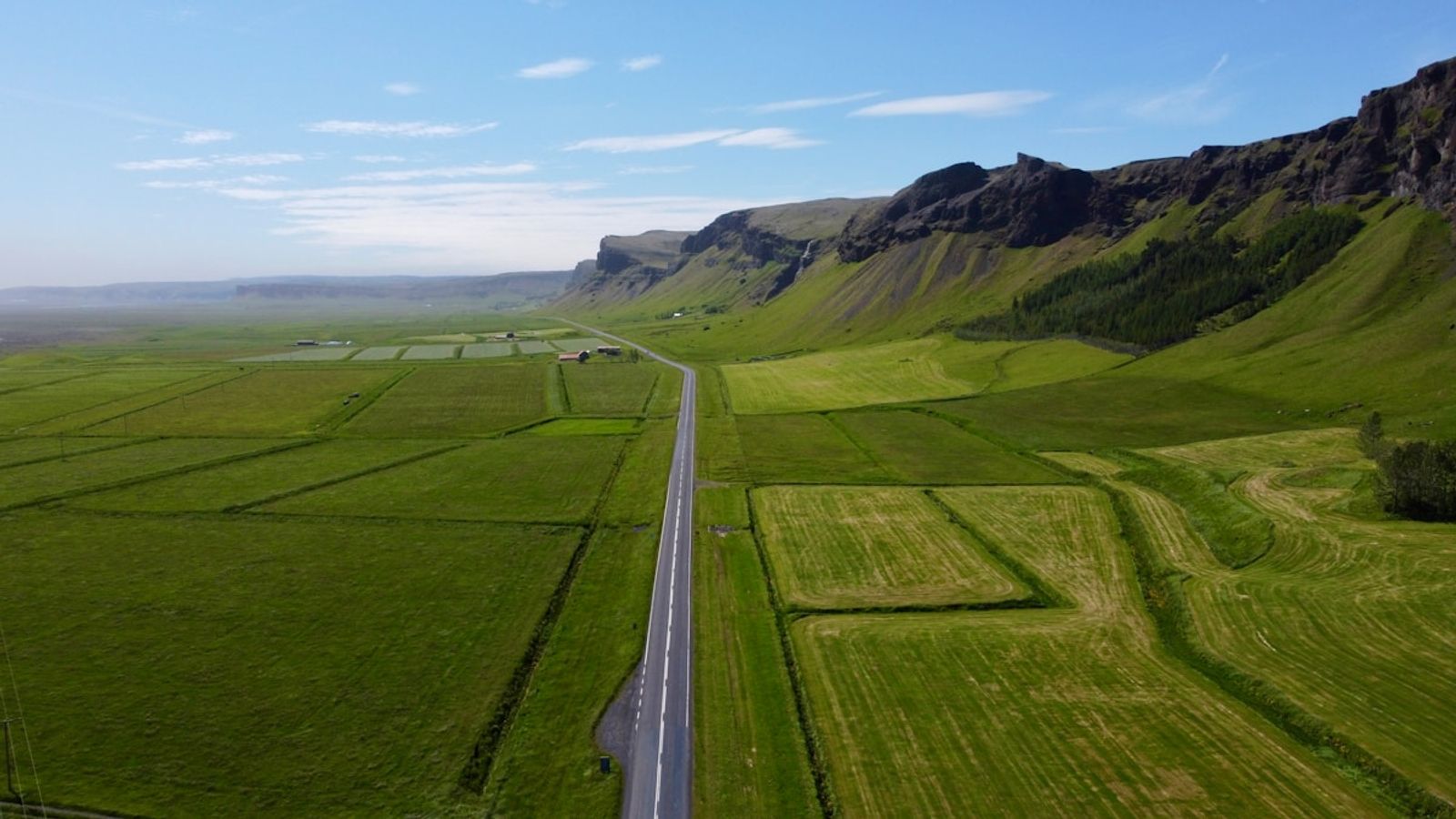
Iceland's roads are well-maintained on main routes but can change character dramatically over short distances. Route 1 is paved but often single-lane in rural areas, requiring pullover stops when meeting oncoming traffic on single-lane bridges. These bridges are clearly marked, and the general rule is that the vehicle closer to the bridge has right of way. Speed limits are 50 km/h in urban areas, 80 km/h on gravel roads, and 90 km/h on paved highways. Speed cameras are present on main routes, and Icelandic fines are substantial. The most serious driving hazards in Iceland are weather-related. Sudden wind gusts can be strong enough to rip car doors from hinges -- always hold your door firmly when opening in exposed areas. High winds can also push vehicles laterally on exposed stretches. Check road conditions at road.is before every drive, and do not underestimate weather warnings. Fuel stations are spaced along Route 1 but can be 100-200 km apart in the north and east. Fill your tank at every opportunity, particularly in rural areas. Most stations are automated and accept credit cards with chip-and-PIN functionality.
Practical Tips for Iceland Rentals
Book as early as possible for summer travel. Popular 4x4 SUVs like the Toyota Land Cruiser, Suzuki Vitara, and Dacia Duster sell out months in advance. Off-road driving outside of marked roads and tracks is illegal in Iceland and carries heavy fines. Iceland's fragile vegetation takes decades to recover from vehicle damage. River crossings require a capable 4x4 and experience. If you are not experienced with river fording, do not attempt crossings even in a 4x4 -- the consequences of a stalled vehicle in a glacial river are severe and expensive. Check road.is daily for current road conditions and weather forecasts. Follow the Safe Travel Iceland guidelines and register your travel plan at safetravel.is. Daylight varies dramatically by season: 24 hours of daylight in midsummer and as little as 4-5 hours in midwinter. Plan driving distances accordingly.
Check Rental Rates
Hertz in Iceland
Largest international brand in Iceland with strong 4x4 selection.
Check Hertz Iceland RatesEuropcar in Iceland
Dedicated Iceland operations with 4x4 fleet and local expertise.
Check Europcar Iceland RatesYour Complete Guide to Renting a Car in Iceland
Iceland is one of the world's great road trip destinations, but it demands more from renters than any other market we cover. From choosing between 2WD and 4x4, understanding SAAP sand protection insurance, to navigating F-roads and extreme weather, this guide prepares you for Iceland's unique rental challenges.
PriceCompareCar earns commission from qualifying bookings made through our links. This does not affect our editorial assessments or recommendations.