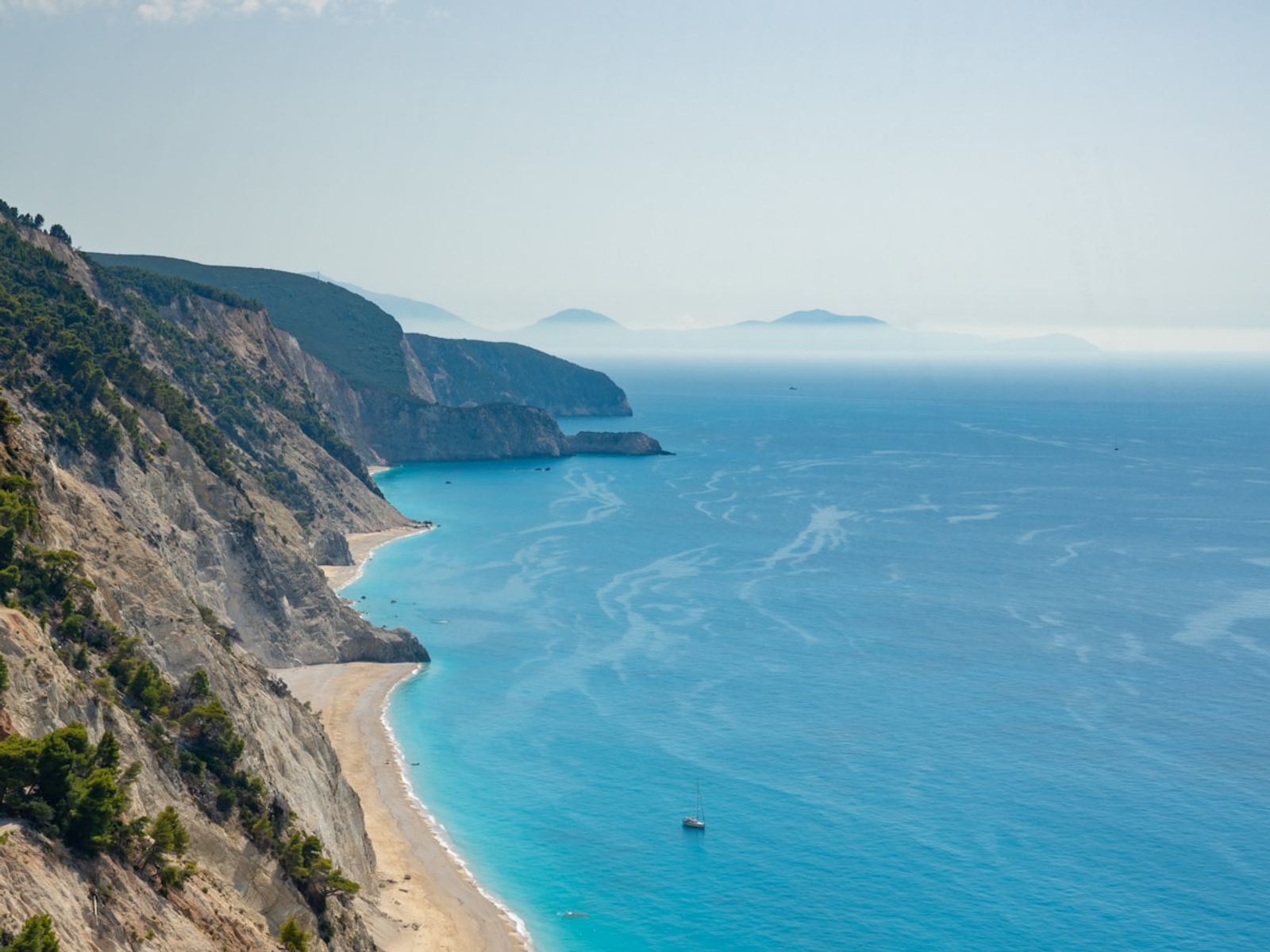
Crete Car Rental Guide
Essential rental car knowledge for exploring Greece's largest island safely and affordably
Quick Facts
- Airport Code
- HER (Heraklion)
- Brands Available
- 3-4 major brands + local operators
- Avg. Daily Rate
- EUR 20-60
- Driving Side
- Right
- Minimum Age
- 21 (most operators)
- IDP Required
- Required for non-EU licenses
Available Rental Brands
Pricing Overview
- Economy
- EUR 15-35 per day
- Midsize
- EUR 25-50 per day
- SUV
- EUR 40-80 per day
Peak Season: June through September
Off-Peak: October through April (many operators close in winter)
Book Ahead: 4-6 weeks recommended, 8+ weeks for July-August peak
Renting a Car in Crete
Crete is Greece's largest island and one of the most popular car rental destinations in the Mediterranean. A rental car is the best way to explore the island, as public transport is limited to major routes between cities and does not serve many of the island's best beaches, gorges, and mountain villages. Heraklion Airport (HER) is the main entry point, though Chania Airport (CHQ) on the western end also serves rental car customers. International brand presence at Heraklion is more limited than at major mainland European airports. Hertz, Sixt, Avis, and Europcar operate through franchise partners. Budget and Enterprise have minimal or no direct presence. Local operators like Autocandia, Blue, and Motor Club dominate the market and can offer competitive rates with personal service. The rental market in Crete is highly seasonal. During summer peak (July-August), demand far exceeds supply, and rates increase substantially. Many smaller operators close entirely during winter months. Booking well in advance is essential for summer travel.
Why a Compact Car is the Right Choice
A compact or small car is strongly recommended for Crete. The island's roads present unique challenges that make larger vehicles impractical in many situations. Mountain roads, particularly on the south coast and in the White Mountains, are narrow, winding, and sometimes unpaved. Two vehicles meeting on these roads may need to maneuver carefully, with one reversing to a wider point. An SUV or large sedan significantly complicates these encounters. Village streets throughout Crete are extremely narrow, often with tight corners between stone walls. Parking in towns like Chania Old Town, Rethymno, and Heraklion center is limited and frequently tight. A compact car like a Fiat Panda, Hyundai i10, or similar is the standard choice for Crete and handles the island's conditions far better than a larger vehicle. Fuel economy is also a consideration. While fuel is available throughout the island, stations are less frequent in rural southern areas, and a fuel-efficient compact car extends your range.
Driving in Crete
Crete's main highway, the E75/A90, runs along the northern coast connecting Kissamos in the west to Sitia in the east. This road is a divided highway for most of its length, well-maintained, and relatively fast. South of the highway, conditions change dramatically. Mountain roads are narrow, winding, and sometimes unpaved. Guard rails may be absent, and steep drops are common. Locals drive these roads confidently and sometimes aggressively -- pulling over to let faster traffic pass is courteous and practical. Speed limits are 50 km/h in villages, 90 km/h on national roads, and 130 km/h on the highway. However, actual driving speeds often do not match these limits. On mountain roads, 30-40 km/h may be the practical maximum. Crete has a relaxed attitude toward traffic rules that surprises many visitors. Locals commonly drive on the shoulder to allow passing on two-lane roads. Livestock on roads is common in rural areas. One-lane bridges require yielding to oncoming traffic. These conditions require patience, alertness, and willingness to drive slowly. Night driving on rural roads is not recommended for visitors unfamiliar with the routes.
Fuel Availability and Costs
Fuel stations are common along the north coast highway and in major towns. However, they become scarce in rural southern areas and mountain villages. Some routes on the south coast have stretches of 30-50 km without fuel stations. Always fill up before heading south or into the mountains. Many fuel stations in Crete close on Sundays and public holidays, and even during the week, hours may be limited (typically 7:30 AM to 8:00 PM). Self-service stations that accept credit cards are less common than in northern Europe. Fuel prices in Greece are high by European standards, typically EUR 1.70-1.95 per liter for unleaded. Diesel is generally EUR 0.10-0.15 cheaper per liter. Most rental cars in Crete run on unleaded petrol.
Insurance and Coverage in Crete
Greek rental rates include basic CDW and theft protection with excess amounts of EUR 600 to EUR 1,800 depending on operator and vehicle category. Counter upselling at Heraklion is moderate compared to Italian or Spanish airports, but international franchise operators may still apply some pressure. Third-party excess insurance is recommended. The combination of narrow mountain roads, unpaved sections, and tight village parking creates genuine risk of minor vehicle damage. Undercarriage and tyre damage are the most common issues on Crete's rougher roads. Some local operators offer all-inclusive insurance packages that eliminate the excess entirely for a fixed daily supplement. These can represent good value for Crete's specific conditions and are often competitively priced compared to purchasing multiple individual coverage products.
Practical Tips for Crete Rentals
Book automatic transmission specifically if needed -- manual is standard and significantly cheaper in Greece. Automatic availability is limited, especially at local operators. Download offline maps for Crete before arriving. Mobile coverage can be spotty in mountain and gorge areas. Google Maps offline mode or maps.me provide reliable navigation without data coverage. If planning to visit Samaria Gorge, Balos Beach, or other remote attractions, check road conditions in advance. Some access roads are unpaved and steep. While a 4x4 is not required for most Crete driving, these specific routes can challenge standard compact cars. A rental car is not necessary for the first or last day if you are staying near Heraklion. The airport is close to the city, and taxis and buses serve the area well. Pick up your car when you are ready to explore outside the city. Carry water and sun protection in the vehicle during summer. Temperatures regularly exceed 35 degrees Celsius, and breakdowns on rural roads without shade can be uncomfortable.
Check Rental Rates
Your Complete Guide to Renting a Car in Crete
Crete is Greece's largest island and one of the Mediterranean's best road trip destinations. But its narrow mountain roads, limited fuel availability in rural areas, and unique driving culture require preparation. This guide covers everything from choosing the right compact car to navigating the island's dramatic terrain safely.
PriceCompareCar earns commission from qualifying bookings made through our links. This does not affect our editorial assessments or recommendations.